AI in Sports Nutrition: Where We Are and Where We Are Headed
AI has moved from hype to daily utility. For athletes, that shift means better nutrition decisions, faster feedback loops, and more personalized plans that adapt with real-life training demands.
The Progress We Are Seeing Right Now
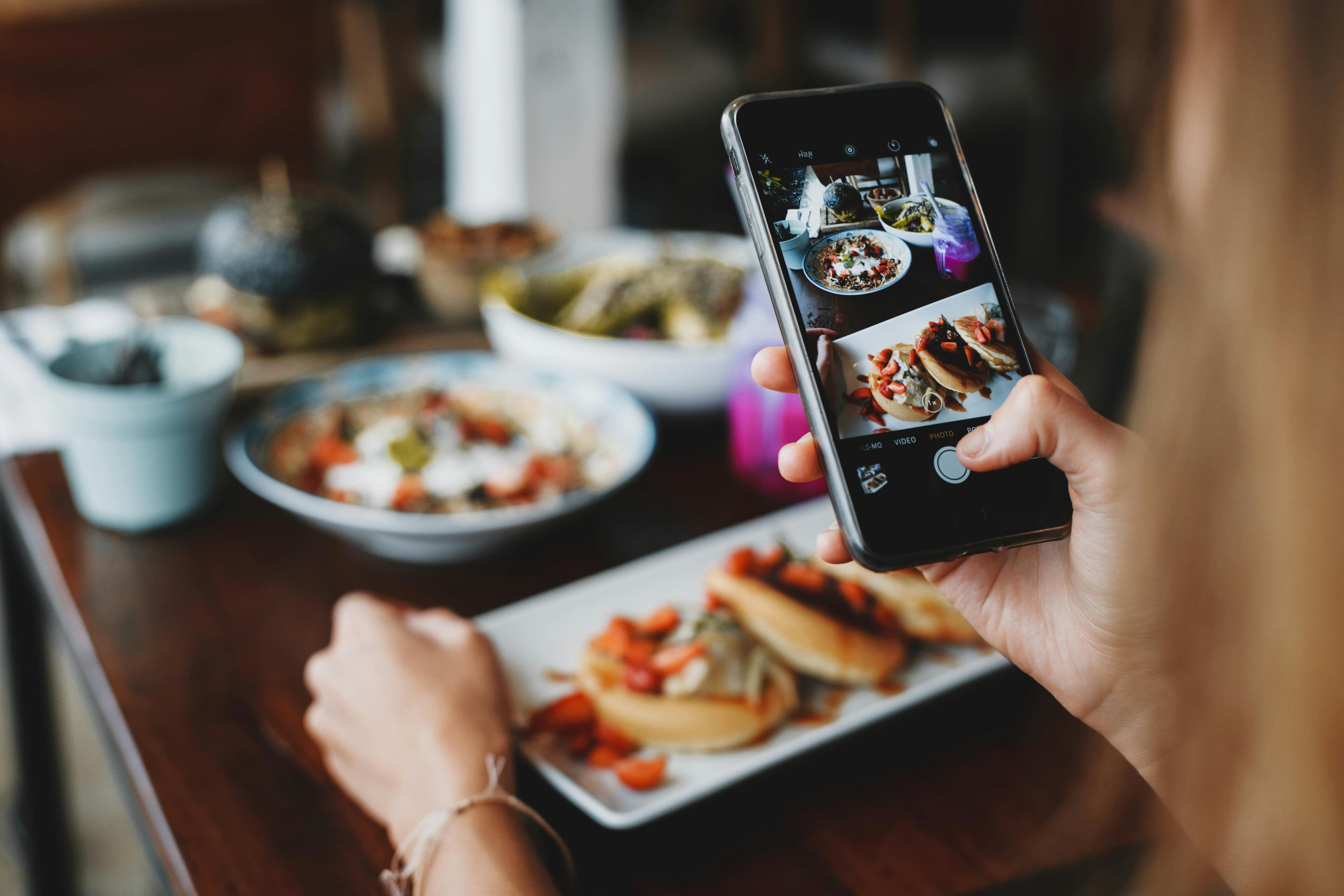
Today's AI can already reduce friction in the hardest parts of nutrition: planning meals, tracking intake, and translating data into clear next actions.
Instead of static templates, athletes can use systems that adjust targets, suggest meal structures, and highlight adherence trends week by week.
What Improved
- Faster meal planning with goal-based recommendations
- Better food logging and macro visibility
- Smarter reminders that improve consistency
Why It Matters
- Less mental load around food decisions
- More predictable energy and recovery
- Higher adherence over longer training blocks
AI in Nutrition and Sports: Practical Use Cases


In practice, AI works best when it combines nutrition intake, activity data, and progress markers in one timeline. That makes it easier to understand what is helping, what is drifting, and what to change next.
Athletes can then make smaller, smarter adjustments instead of overcorrecting after a bad day or week.
What the Future Will Likely Look Like
The next wave will not just track what you ate. It will predict when your plan is about to fail and suggest alternatives before adherence drops.
We will likely see more proactive coaching: weekly strategy updates, context-aware grocery planning, recovery-aware fueling, and tighter personalization across the full training cycle.
Predictive Coaching
AI flags risk points early and recommends simple interventions before momentum is lost.
Deeper Personalization
Plans become more specific to schedule, preferences, and response patterns over time.
Unified Performance View
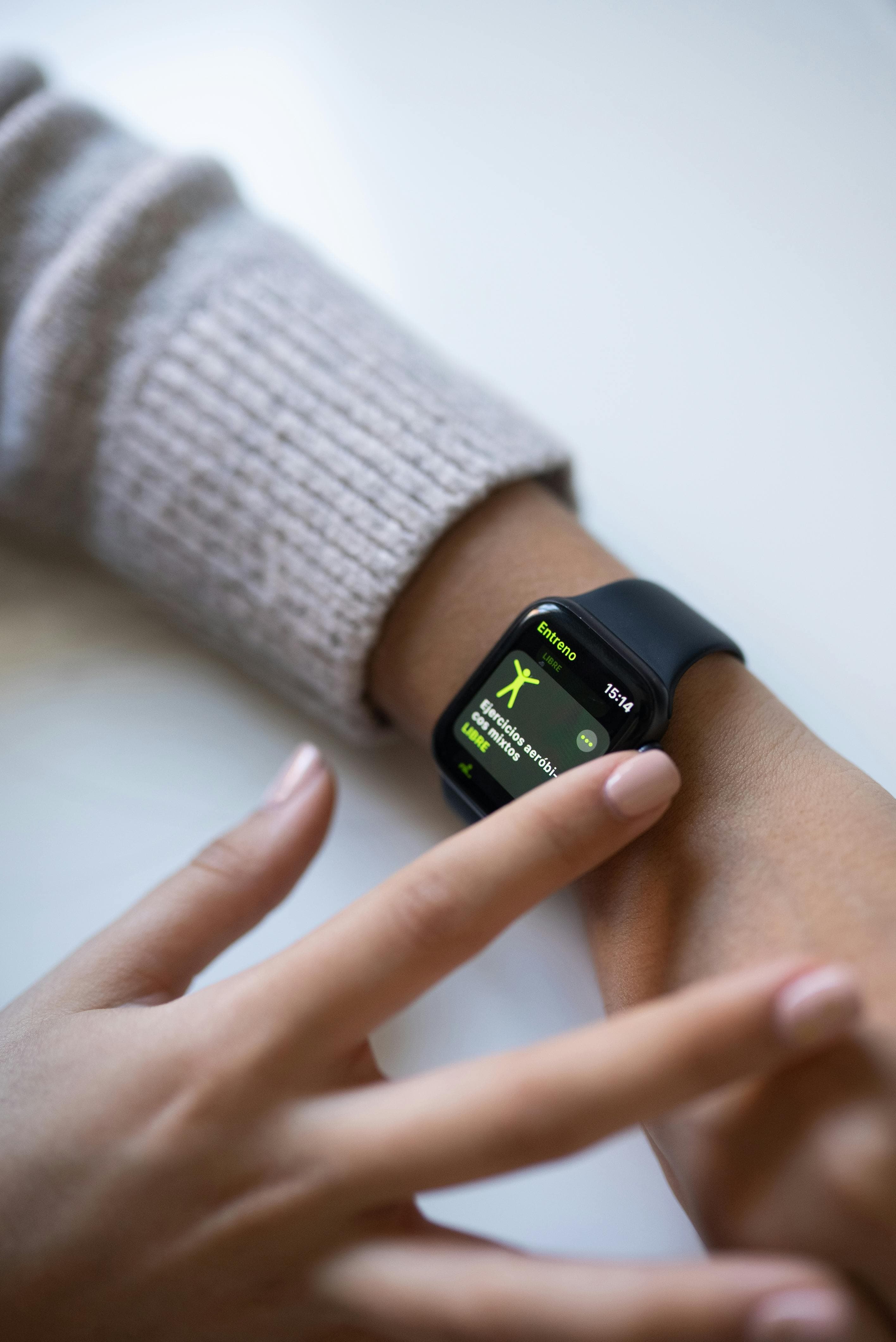
Nutrition, training, and recovery signals are interpreted together instead of in isolated apps.
A Realistic Note: AI Is a Tool, Not a Shortcut
AI can make better recommendations, but athletes still need consistency, honest inputs, and good execution. The best outcomes happen when coaching logic and human discipline work together.
The future is not athletes being replaced by AI. The future is athletes being better supported by systems that help them make better decisions, more often.

Bottom Line
AI in sports nutrition is already useful, and it is improving fast. The next few years should bring more adaptive, proactive, and personalized support for athletes who want measurable progress.