The Truth About Progressive Overload, Recovery, and Macro Consistency
If your training feels busy but your numbers are stuck, this is usually the missing piece: progressive overload. To grow, you need measurable stress, intentional recovery, and consistent nutrition habits that support adaptation.

Progressive overload is not just about adding weight to the bar. It is about understanding that your body adapts to stress, and if you are not systematically increasing that stress, you are maintaining instead of growing.
Lifters who see consistent gains year after year treat progressive overload as a principle, not only a technique. It applies to volume, intensity, frequency, and the quality of each rep. When you track everything, you see everything.
Quick Summary
Better progress usually comes from small, planned increases over time, not random max-effort sessions. Track reps, load, and recovery quality each week.
The Science of Muscle Protein Synthesis

Muscle protein synthesis peaks roughly 24 to 48 hours after training. This is your anabolic window, not the 30-minute myth most people hear first.
Total daily protein intake matters more, especially when split across four to five meals with around 30 to 40 grams of quality protein per meal.
Key Protein Timing Principles
- 1.6 to 2.2g/kg bodyweight: The optimal daily protein range for muscle growth.
- Leucine threshold: Each meal should contain around 2.5 to 3g of leucine to maximize MPS.
- Pre-sleep protein: About 40g of casein before bed can support overnight recovery.
- Training day nutrition: Slightly higher carbs on training days can help fuel output.
Discipline Over Motivation: The Mindset Shift

Motivation is a spark. Discipline is what keeps burning when that spark fades. Serious lifters know there are days when training feels hard before it even starts. Those days define you.
"The iron never lies. Two hundred pounds is always two hundred pounds. It does not care about your excuses."
Building Unshakeable Habits
- Never miss twice: One bad day does not break your progress, two days starts a pattern.
- Stack your habits: Connect new behaviors to existing routines.
- Track everything: What gets measured gets managed.
Macro Tracking: Beyond the Numbers
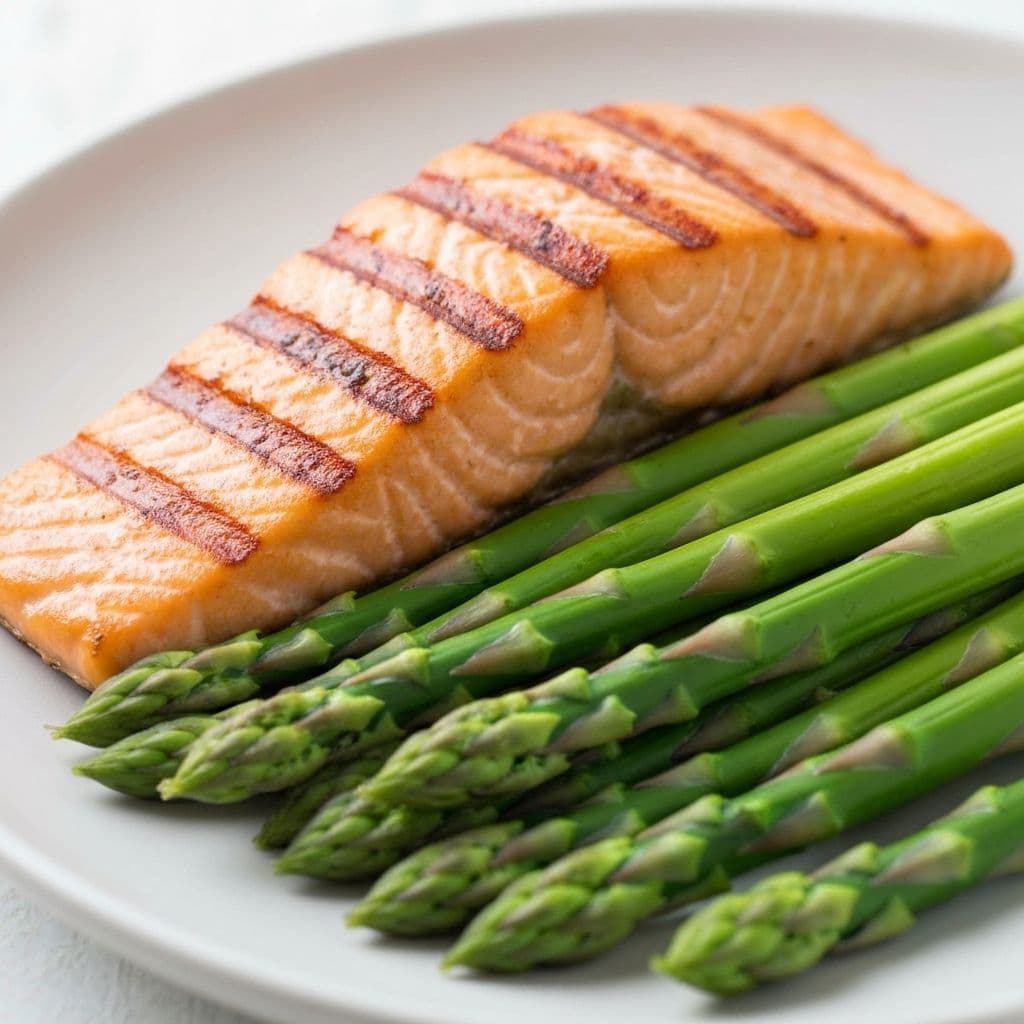
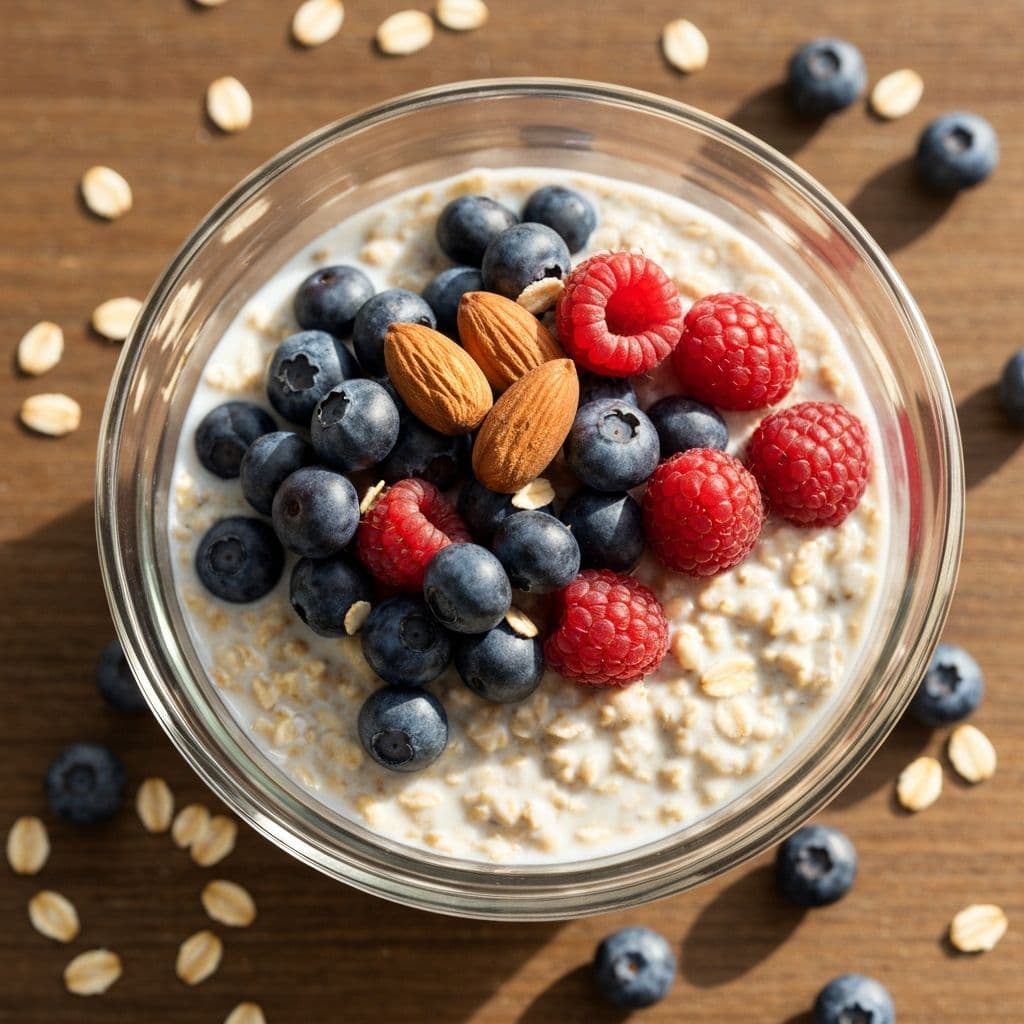

Tracking macros is not about obsession. It is about awareness. When you know what you are putting into your body, you stop guessing and start progressing.
The goal is not perfection. The goal is macro consistency. Hit your targets most of the time and you will usually outperform people who rely only on vague "clean eating" rules.
Quick Macro Guidelines for Different Goals
Bulking: Protein 2g/kg, Carbs 4 to 6g/kg, Fats 1g/kg
Cutting: Protein 2.2g/kg, Carbs 2 to 3g/kg, Fats 0.8g/kg
Maintenance: Protein 1.8g/kg, Carbs 3 to 4g/kg, Fats 1g/kg
Quick Summary
If training quality drops first, fix recovery and food adherence before adding more volume. Progress responds better to consistency than intensity spikes.
We Rise Together

Training can feel lonely. Early mornings when everyone else is sleeping. Late nights when your schedule is still full. But you are not alone.
AthletesLab is not only about tracking macros and workouts. It is about belonging to a community that understands what long-term commitment really looks like.
"Every rep you log, every meal you track, every goal you set - it all adds up. Your progress inspires someone else to keep going."
FAQ: Progressive Overload and Macro Tracking
How often should I increase training load?
Most athletes progress best with small weekly adjustments in load, reps, or total volume while monitoring recovery quality.
Can I build muscle without perfect macro tracking?
Yes, but consistent protein and calorie alignment usually improves training output, recovery, and rate of progress.
Next Step
Want to apply these principles in a structured system? Explore how AthletesLab helps you plan, track, and iterate with precision.