Meal Timing for Athletes: Pre-Workout and Post-Workout Fuel Strategy
Nutrition is not only about what you eat. Timing affects energy in training, recovery speed, and adaptation quality. Strategic timing helps your body use nutrients when they matter most.

Key Takeaways
- Pre-workout timing: Plan fuel 2-3 hours before hard sessions when possible.
- Post-workout recovery: Combine protein and carbs within the next 1-2 hours.
- Daily rhythm: Structured timing improves energy stability and adherence.
Pre-Workout: Fueling Your Session

Full meal timing around 2-3 hours pre-session usually improves training energy without GI discomfort. If you train soon, use a smaller snack 30-60 minutes before.
Prioritize easy-to-digest carbs and moderate protein while keeping fats lower before intense sessions.
Pre-Workout Essentials
- Complex carbs for sustained output.
- 20-30g protein to support muscle protein synthesis.
- Hydration before training, not only during training.
- Lower fiber and fat right before hard sessions.
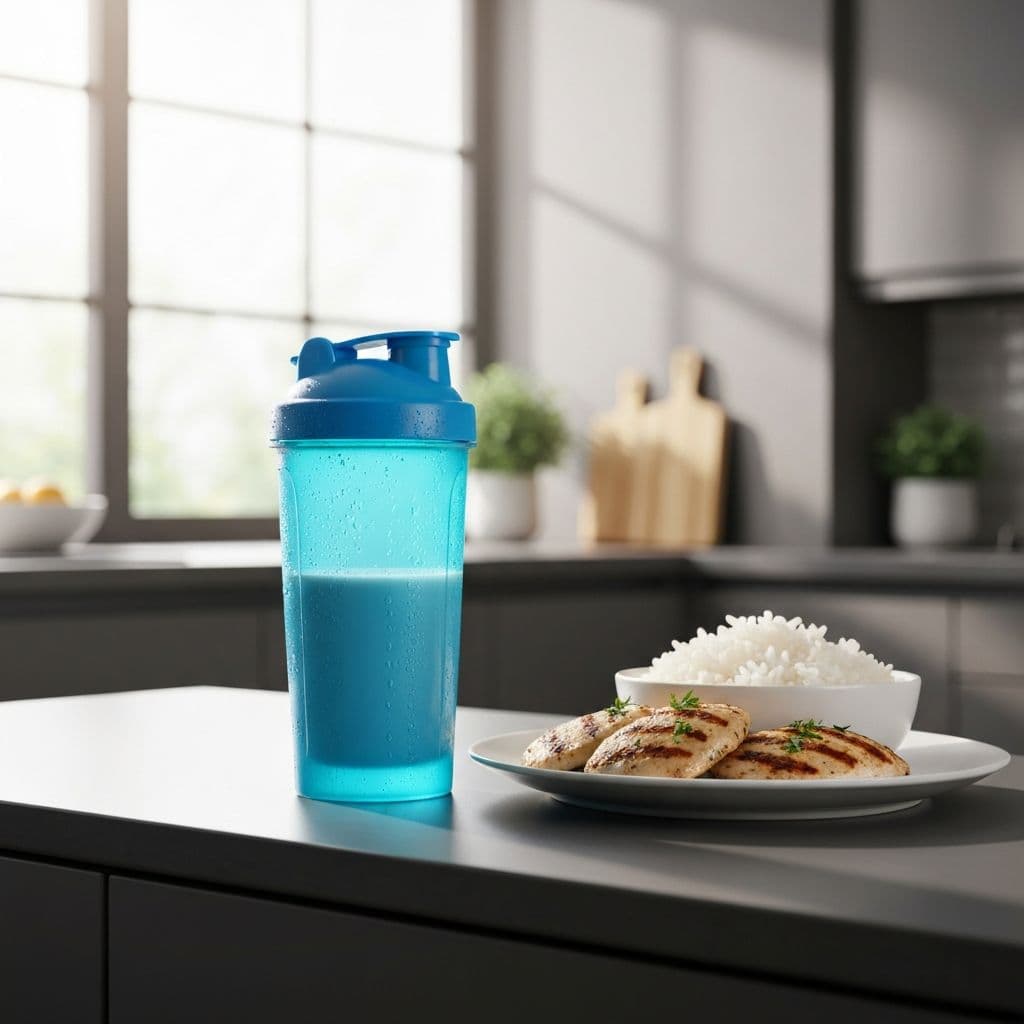
Post-Workout: Recovery Window
The post-workout window is not tiny, but it is valuable. Eating within 1-2 hours after training supports glycogen replenishment and recovery.
A practical target is 0.3-0.5g protein per kg bodyweight plus carbs based on session demand.
Simple Daily Timeline

Morning
Front-load protein and structured carbs to stabilize energy and support training readiness.
Training Block
Time carbs and protein around the session to improve output and reduce post-session crash.
Evening
Keep protein high and use slower-digesting options when needed for overnight recovery support.
The best athletes do not only train hard. They recover with precision.
FAQ: Meal Timing for Athletic Performance
Is meal timing more important than total calories?
Total intake remains the foundation, but timing can improve workout quality, recovery speed, and day-to-day consistency.
What if I train early and cannot eat a full meal?
Use a lighter pre-workout option and prioritize a complete post-workout meal with protein and carbs.
Bottom Line
Better meal timing will not replace training quality, but it can meaningfully amplify it. Start with a repeatable pre and post-workout structure, then refine based on results.