Powerlifting, Bodybuilding, and the Diet Decisions That Shape Energy and Physique
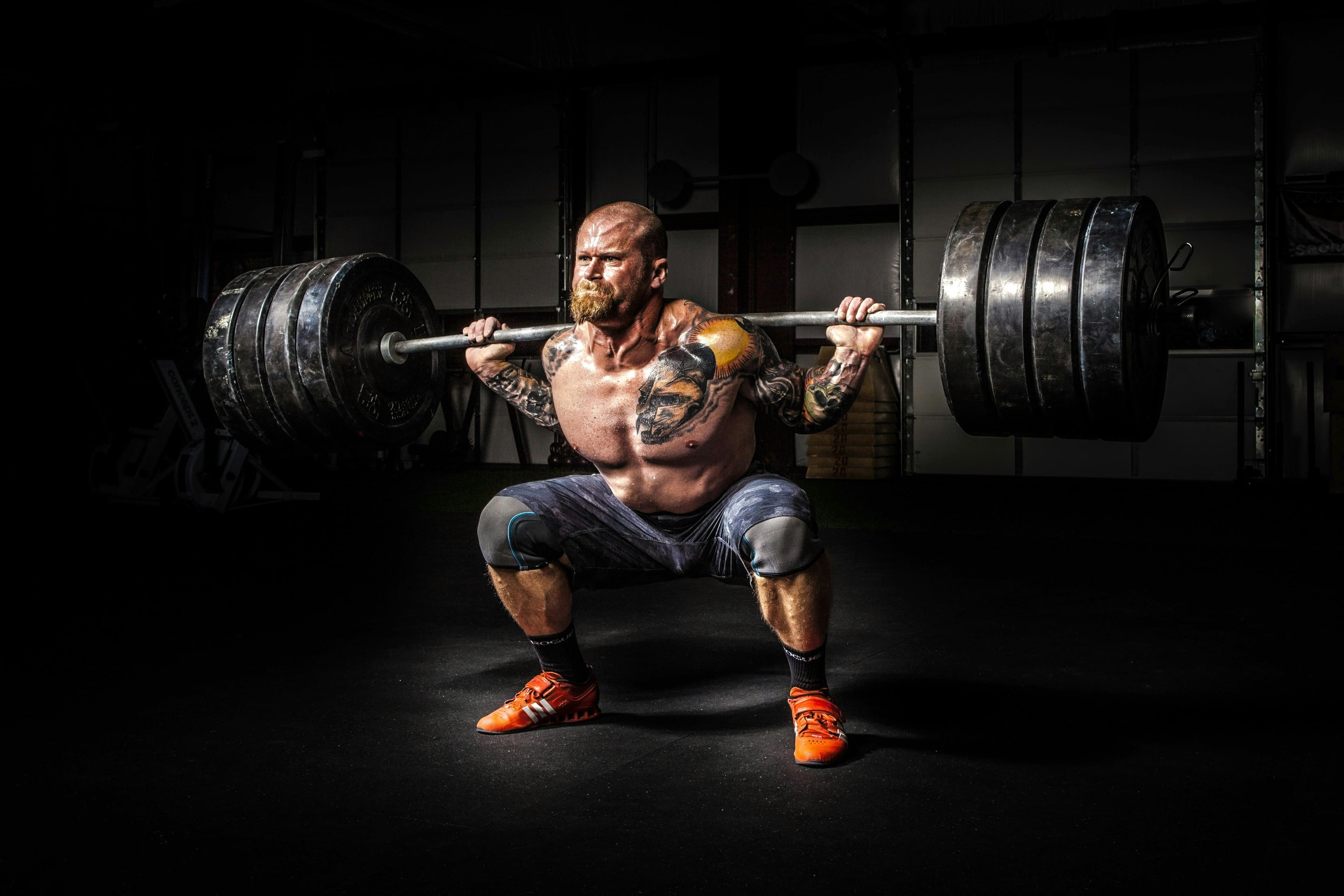
Training quality and body composition are both nutrition-dependent. A well-built diet improves bar speed, training volume, and recovery while also changing how lean, full, and strong you look over time.
Key Takeaways
- Energy follows fueling: Under-eating carbs and total calories is one of the fastest ways to flatten performance.
- Physique follows consistency: Hitting protein and calorie targets most days drives the visible changes athletes want.
- Goal-specific nutrition works best: Powerlifting and bodybuilding overlap, but they do not need identical food strategies.
Powerlifting vs Bodybuilding: Same Gym, Different Demands
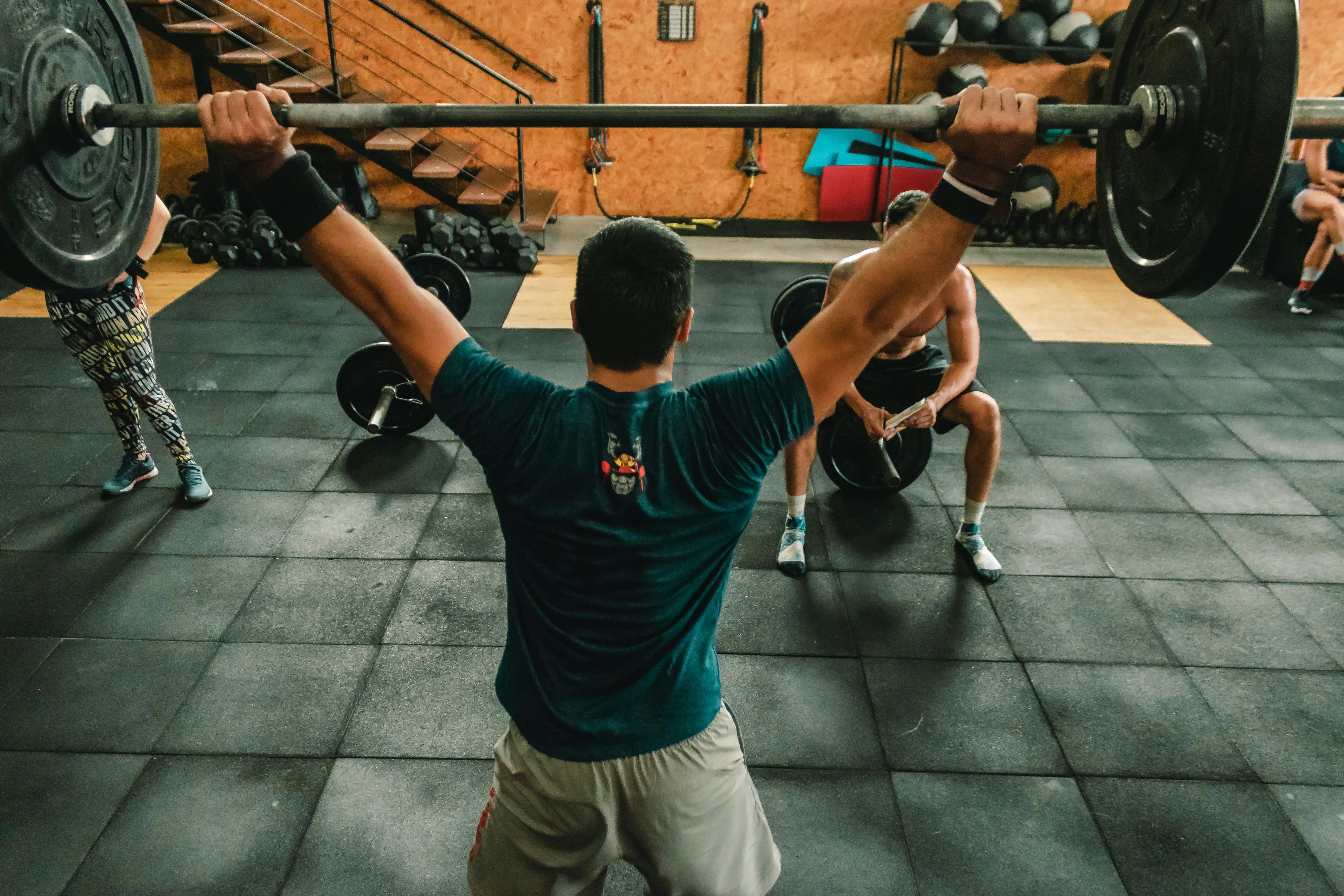
Powerlifting prioritizes maximal force output and neural readiness, while bodybuilding prioritizes muscular stimulus, volume tolerance, and body composition detail. Both require disciplined nutrition, but the emphasis can shift.
For both groups, the biggest mistake is inconsistent intake across the week. Your body adapts to repeated signals, not perfect single days.
Powerlifting Priority
Support high-intensity output with adequate carbs, stable hydration, and enough calories to recover from heavy loading.
Bodybuilding Priority
Maintain high protein and precise calorie control to improve muscular fullness while managing body fat.
How Diet Affects Energy in the Gym
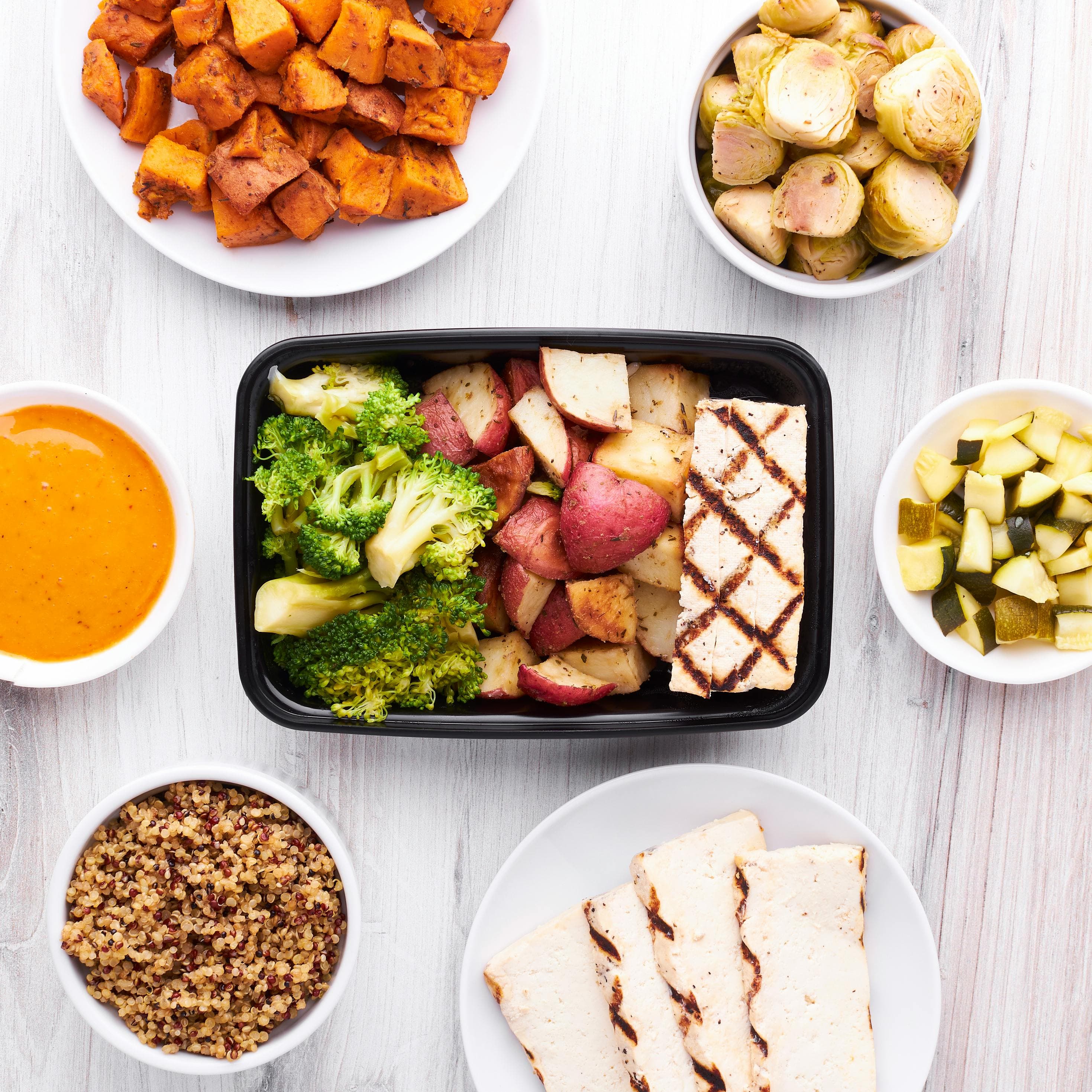
If sessions feel flat, look at meal timing and total carbohydrate intake first. Glycogen availability is a major performance lever for heavy and high-volume training.
Protein supports repair, but carbs often determine session quality. Fats help hormonal stability and satiety, especially in longer dieting phases.
Pre-Workout
Carbs plus moderate protein 2-3 hours before training can improve focus and output.
Post-Workout
Protein and carbs after training help replenish glycogen and accelerate recovery.
Hydration
Even mild dehydration can reduce strength output and raise perceived effort.
How Diet Changes the Look: Size, Leanness, and Fullness
Goal-Based Macro Starting Points
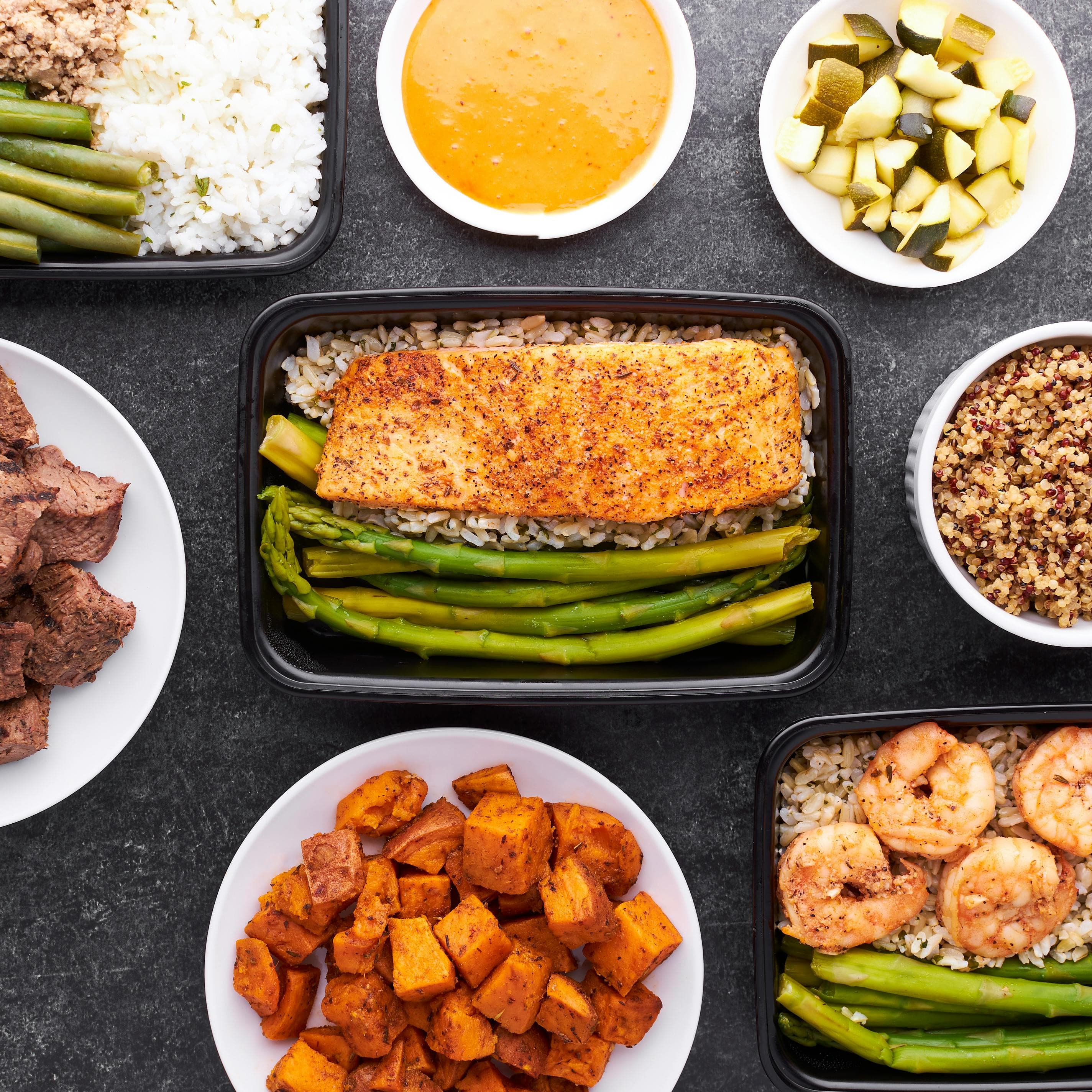
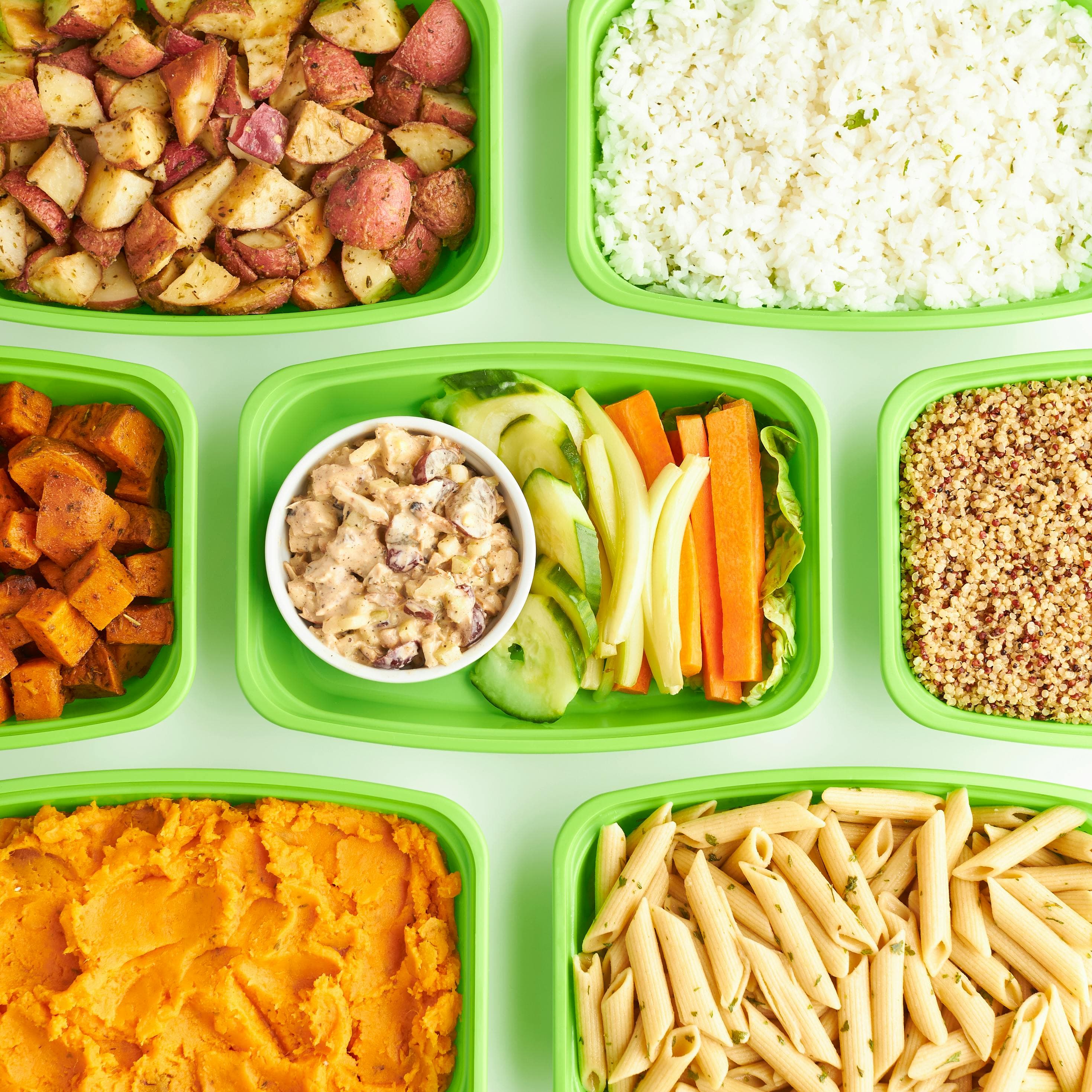
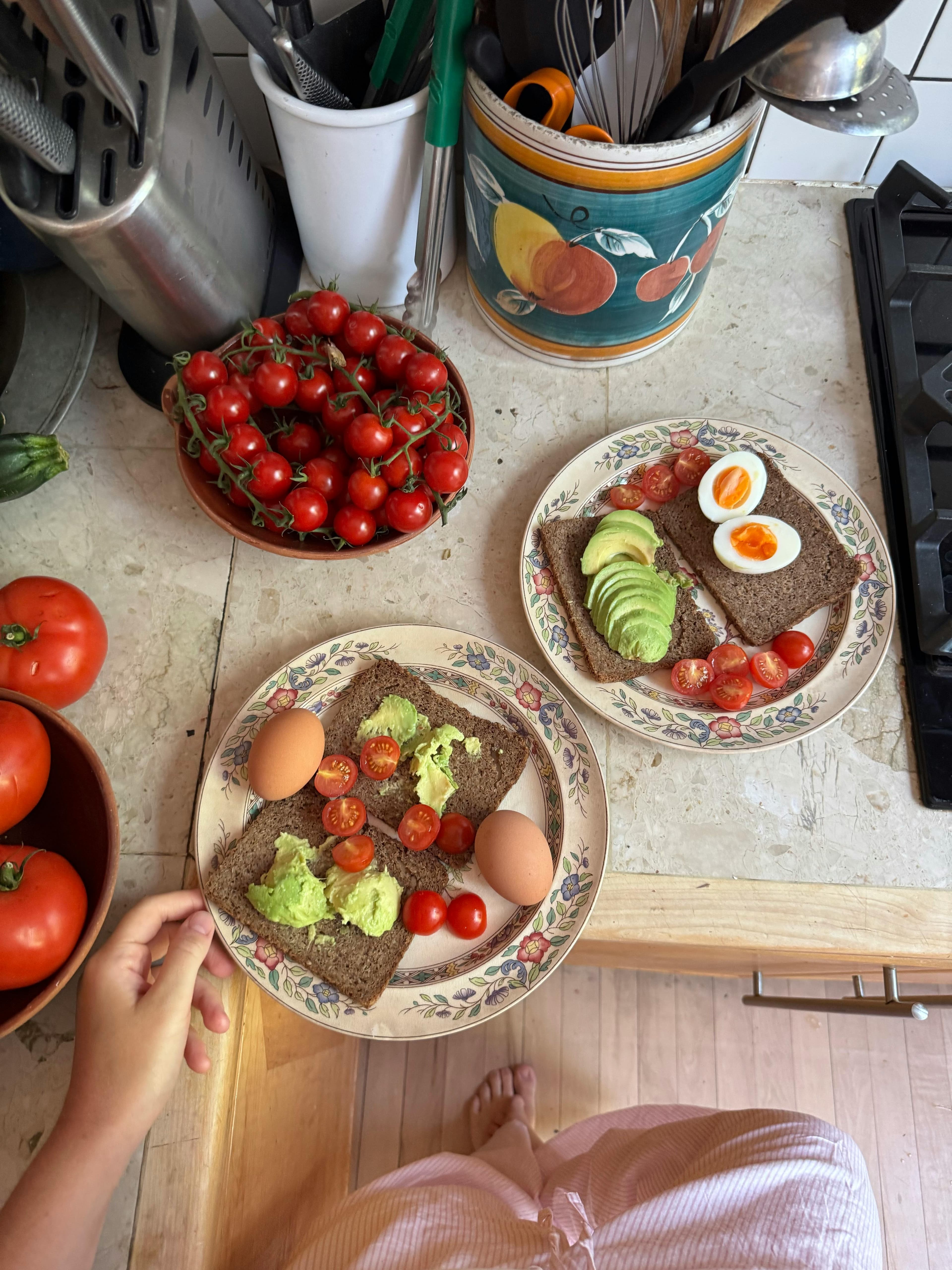
- Powerlifting strength block: Protein 1.8-2.2g/kg, carbs 3-6g/kg, fats 0.8-1.0g/kg.
- Bodybuilding growth phase: Protein 1.8-2.2g/kg, carbs 4-7g/kg, fats 0.8-1.0g/kg.
- Cutting phase: Protein 2.0-2.4g/kg, carbs adjusted to activity, fats 0.6-0.9g/kg.
Common Nutrition Mistakes That Hurt Results
Most plateaus are not from poor program design. They come from under-recovery, inconsistent intake, and poor execution outside the gym.
- Aggressive calorie cuts: can crash energy and reduce output.
- Low protein consistency: makes muscle gain and retention harder.
- Weekend drift: erases weekday adherence and slows visible physique changes.
- Poor hydration and electrolyte intake: lowers training quality in high-sweat sessions.
FAQ: Powerlifting, Bodybuilding, and Diet
Is diet more important than training for physique change?
Training is the stimulus, but diet controls recovery and body composition. Most athletes need both aligned to see consistent visual progress.
Can I build strength and stay lean at the same time?
Yes, especially for newer and intermediate athletes, but progress is usually slower than focusing on one primary goal per block.
Why do I look flat when carbs are too low?
Lower glycogen and water storage can reduce muscle fullness and session quality. Strategic carbs often improve both visual appearance and training output.
Bottom Line
Diet changes how you perform and how you look. If you want stronger lifts, better sessions, and a sharper physique, build a nutrition system you can execute every week, not only on perfect days.