AI and Sports Performance: How Better Decisions Create Better Results
Performance does not improve from effort alone. It improves when training load, recovery, nutrition, and consistency are aligned. AI helps athletes make those decisions faster, with less guesswork and more weekly momentum.
Key Takeaways
- AI supports better timing: it helps athletes adjust training stress before fatigue becomes underperformance.
- Consistency wins: smart reminders and adaptive targets make good habits easier to repeat.
- Data becomes practical: AI translates trends into simple decisions coaches and athletes can execute.
Where AI Improves Sports Performance Most
Training Load Management
AI can flag overload risk and suggest volume or intensity adjustments before performance drops.
Recovery Readiness
Sleep, HR trends, and perceived fatigue can be interpreted together to guide hard vs. lighter days.
Technique Feedback
Motion and session data can highlight movement drift, helping athletes maintain quality under fatigue.
Nutrition Execution
Adaptive nutrition recommendations help fuel output and recovery based on real training demand.
Practical Workflow: From Data to Action
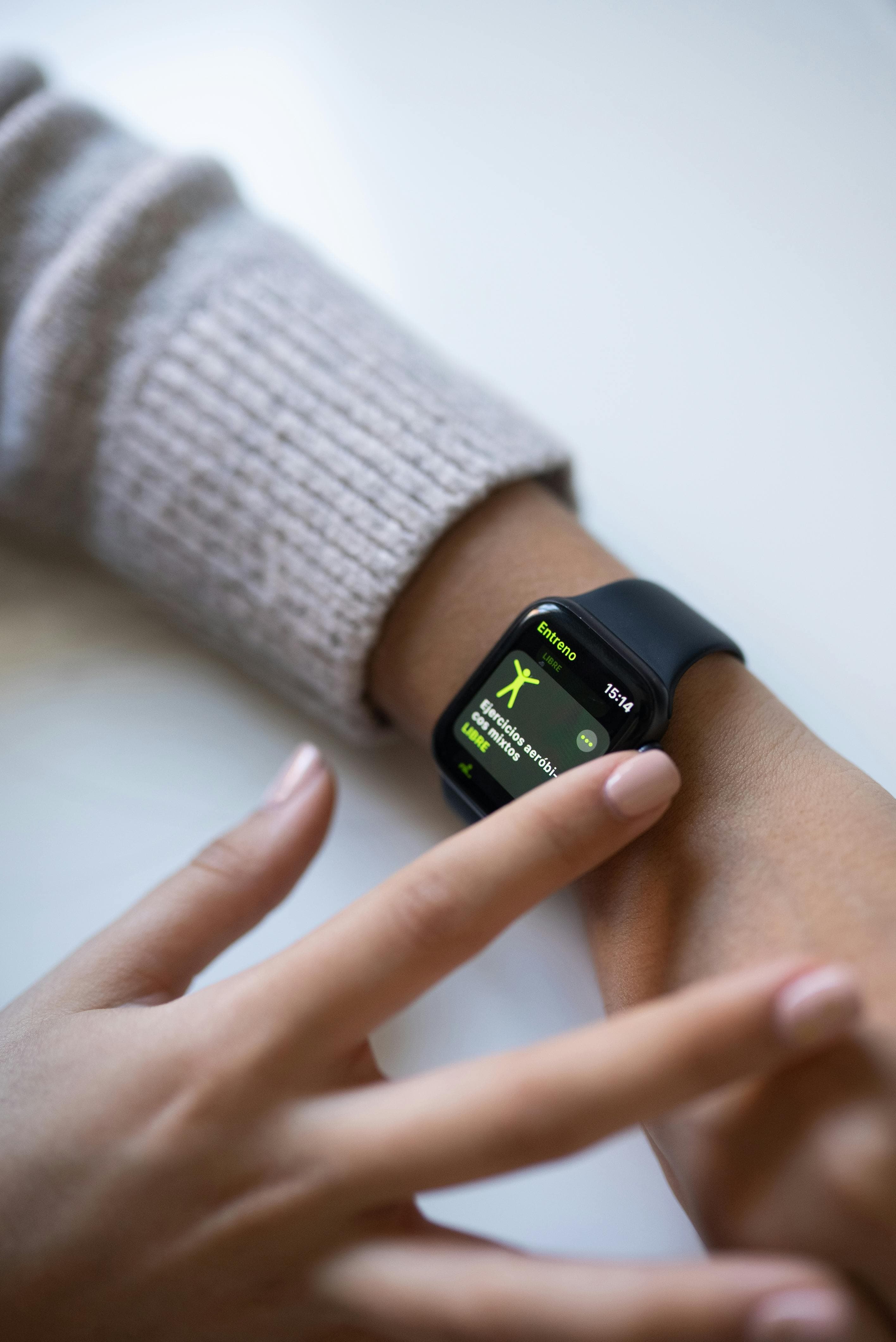

Strong systems usually follow the same loop: collect training and recovery inputs, detect trends, and recommend the smallest change that protects progress.
This keeps athletes from overreacting emotionally after one bad session and helps coaches stay proactive across full training blocks.
Powerlifting and Bodybuilding: Why AI Can Be a Performance Multiplier
In powerlifting, small decisions around intensity exposure, recovery status, and session quality can decide whether strength moves up or stalls. AI helps lifters reduce random swings and train with better rhythm.
In bodybuilding, precision and adherence drive visual outcomes. AI can improve plan execution by adapting targets, identifying drift early, and keeping nutrition aligned with current goals.
Performance Markers AI Can Track
- Session completion quality and progression trends
- Readiness signals like sleep and fatigue consistency
- Nutrition adherence vs. planned targets
- Weekly compliance and momentum over time
What AI Cannot Replace
AI improves decisions, but it does not replace discipline, coaching context, or execution quality. Athletes still need strong fundamentals, honest tracking, and consistent work.
The best results come when AI recommendations are treated as decision support, not automatic truth.
FAQ: AI in Sports Performance
Can AI improve performance even for advanced athletes?
Yes. Advanced athletes often benefit from tighter load management, better recovery timing, and faster detection of small trends that are easy to miss manually.
Does AI replace a coach in strength or physique sports?
No. It works best as a coaching support layer that improves clarity, speed, and consistency of decisions.
What is the biggest performance advantage of AI?
Better weekly execution. Athletes make fewer random changes and follow more stable, adaptive plans.
Bottom Line
AI helps sports performance by improving decision quality, not by replacing hard work. When training, recovery, and nutrition are guided with better feedback, progress becomes more predictable and sustainable.